Perfect macronutrient substitutes for lactose intolerant people
Dairy products are considered a comfort food in western society. It doesn’t matter if we are talking about Scandinavian, French, English or even the Mediterranean diet, we are used to eating everything with milk, cream, butter, and countless subversions of cheese. Somehow this group of food became a “must” in western society. In some other cultures, dairy products, especially the ones derived from cow’s milk are completely substituted with products from plants. Over the years, humanity has developed an increased number of lactose-intolerance cases. You would be probably be surprised to know that lactose intolerance appears in approximately 70% of the adult population, regardless of the cultural or geographical background.
What exactly is lactose intolerance
Every time we drink milk or eat dairy products, our body is metabolising lactose, the main sugar in milk. However when our body is deficient in the enzyme lactase, which is produced by the cells of the small intestine, we are unable to metabolise lactose. If lactase is not present in sufficient amounts, the lactose remains unchanged in the colon, where it is then converted into short chain fatty acids. This initiates the production of gases and a number of unpleasant symptoms.

What are the symptoms
Those who suffer from this intolerance, certainly know. It’s enough to know that the consumption of dairy products results in abdominal bloating, pain, diarrhoea and a feeling of nausea. Of course, not all the symptoms are displayed together nor with the same intensity for everyone. If you become aware that one of these symptoms is triggered after drinking milk, then you should start to suspect a possible intolerance and consult your doctor or nutritionist. You shouldn’t be deflated by this as there are many great substitute sources of good proteins, calcium and all other important nutrients which you would usually get from dairy products. Even a professional athlete or bodybuilder can have great results with a variety of foods and supplements which have nothing to do with any kind of mammal’s milk.
What to look for in our diet
The most common foods that are high in lactose include dairy products such as milk, ice cream, cheese, cream, milk spreads etc… These products can be added to processed foods such as bread, baked goods, cereals, salad dressings, desserts and snacks. Lactose is also found in certain drugs such as contraceptives and antacids. After your doctor determines the intolerance through tests which measures the pH of the stool and the levels of hydrogen in your breath, you will have to keep in mind that you don’t have to give up the dairy products totally. In many cases you can try these 4 approaches:
- With the help of your doctor and some experimentation, you should find the level of lactose foods you can consume without them affecting you in a negative way. Through trial and error, you will determine the amount and the type of products that your body has a better tolerance to.
- Try to eat and drink small amounts of milk and dairy products and combine them with other foods. In most cases the lactose can be well tolerated when consumed in combination with foods that do not contain lactose.
- Try dairy products which contain less lactose. For example mature gruyere type cheeses
- Consume dairy products which have been filtered removing part of the lactose and where the enzyme lactase is added to break the rest of the lactose into a simpler form that is more easily absorbed by the body
Macronutrient substitutes for dairy products
Life with such an intolerance may not be as restrictive as you would imagine. It can be improved with some simple dietary changes. Here are some alternative sources of macronutrients, vitamins and minerals:
- Milk without lactose
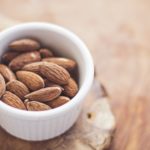
- Almond or any other nut milk
- Rice milk
- Coconut milk
- Yoghurt with active bacterial cultures (bacteria have the ability to break down the lactose)
- Sorbet ice cream (sorbet is based on water, not milk)
- Kale, broccoli, spinach and oranges (they are great sources of calcium)
- Salmon, sardines and tuna (another great source of calcium)
- Tofu, almond feta, vegan parmesan and other kinds of vegan cheeses are great and tasty substitutes for cheese which are also rich in proteins.
- Whey and casein protein are milk based products but they don’t contain lactose. There are also non-milk commercially bought products of isolated proteins such as green peas protein, egg protein or spirulina.
There are many delicious alternatives on the market for anyone with a lactose intolerance, so there’s an opportunity to experiment with foods and embrace what your body needs to feel great.
You’re unique, embrace it! 🙂